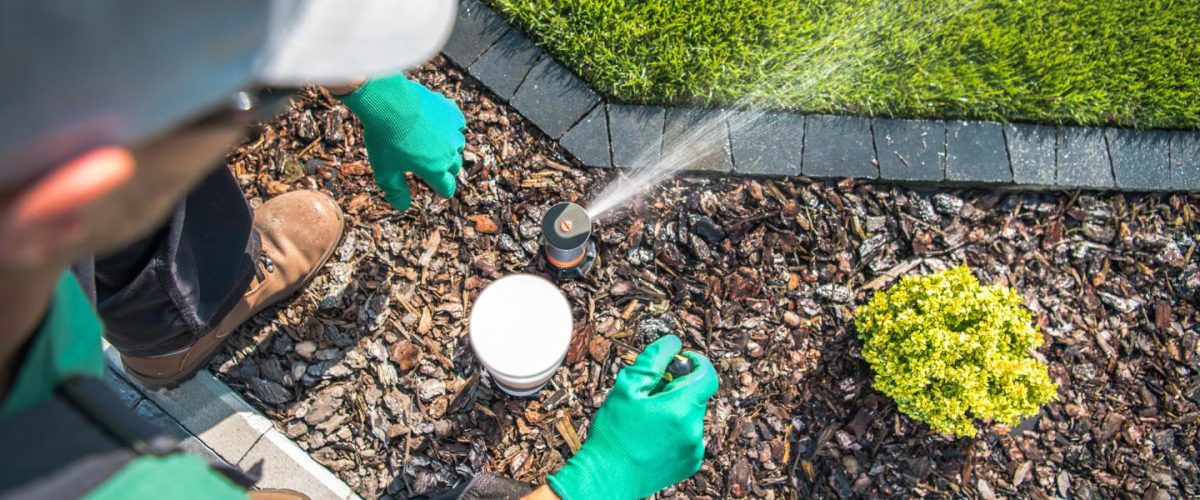
Gig Harbor residents know that keeping a lawn green takes more than just turning on the sprinkler and hoping for the best. When something is off, it shows up quickly with dry patches, soggy spots, or a sprinkler head spraying where it should not.
These common sprinkler problems do more than affect how your lawn looks. They can waste water, increase your utility bill, and turn simple upkeep into a frustrating process.
Below, I will break down what to watch for and what might be causing it. If you would rather skip the trial and error, my company, Garland Landscape, can help with professional sprinkler repair or lawn sprinkler installation services. Otherwise, continue reading to learn how to identify and resolve the most common sprinkler issues.
Key Points
- Common sprinkler issues like leaks, clogs and low pressure can lead to uneven watering and lawn damage.
- Catching problems early helps prevent costly repairs and wasted water.
- Simple fixes like cleaning heads or adjusting height can improve performance.
- Ongoing issues may point to deeper system problems, such as valve or wiring issues.
- When in doubt, a landscaping expert can quickly diagnose and properly fix the issue.
8 Common Sprinkler Issues
Sprinklers work hard, although this often goes unnoticed. Addressing minor problems early can prevent bigger issues down the line. Problems often arise in older sprinkler systems during freezing weather, which can cause broken pipes and other damage.
1. Clogged Sprinkler Head
Is your sprinkler system not working properly? A clogged sprinkler head is one of the first things to check. The good news is that it is often a quick fix.
If a head is not popping up or is spraying unevenly, debris is usually the culprit. Dirt, sand or small particles can get stuck in the nozzle and block the flow of water, which leads to dry spots or inconsistent coverage.
In some cases, the issue may look like a bigger problem but it is often just a buildup inside the head. With your system turned off, you can remove the nozzle, clear out any debris and rinse it clean. If the head is damaged or still not working properly, replacing it is usually the simplest solution.
2. Unexpected Leaks and Water Pooling
Leaks are one of the more frustrating issues to deal with, especially when your water bill starts creeping up. If your sprinkler system is not working properly, a hidden leak could be the reason.
Sprinkler valves control the flow of water to each zone, so when something goes wrong, it can show up as a leaking sprinkler head or water pooling where it should not. In some cases, it points to a worn out valve, a damaged diaphragm or debris blocking the system.
A broken sprinkler head can also prevent a valve from fully closing, leading to constant dripping or oversaturation. And if the issue is underground, tree roots may be interfering with your lines and causing leaks you cannot easily see.
If the problem is not obvious, it is usually worth having a professional landscaper from Gig Harbor check it.
3. The Controller Has Gone Bad
Your sprinkler controller is basically the brain of the whole system. It tells everything when to turn on, when to shut off, and how much water each zone gets.
When it starts acting up, things can get inconsistent fast. You might notice certain areas getting too much water while others are completely dry. It is one of those common sprinkler problems that can be frustrating to figure out on your own.
If you are troubleshooting sprinkler system issues, the controller is a good place to start. It could be an electrical problem, a programming issue or a sign that something else in the system is not working properly.
Here is what your controller is supposed to handle:
- Turns your system on and off at the right times
- Controls how much water each area gets
- Helps keep coverage even and prevents water waste
4. Pump Malfunctioning
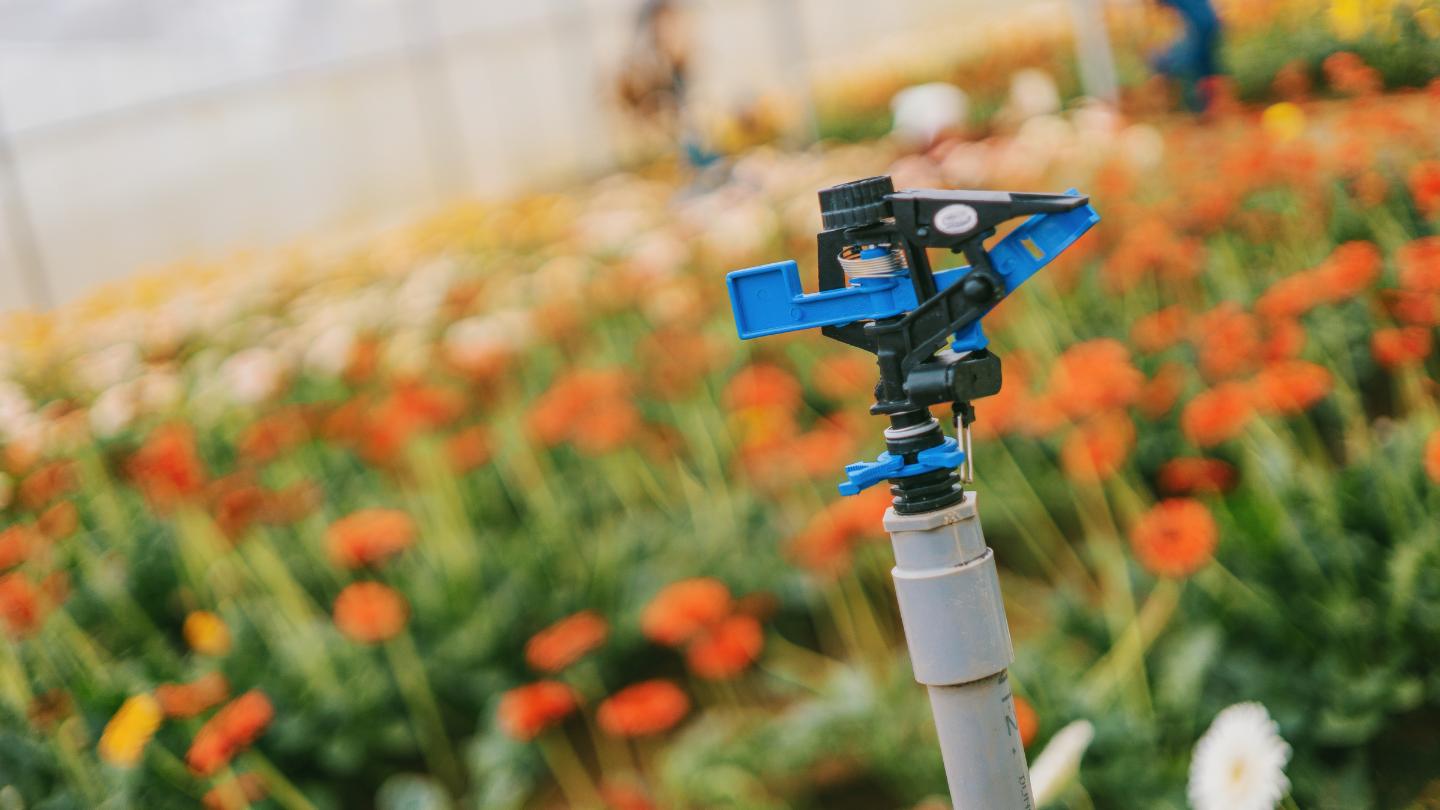
If your sprinkler pump starts making a buzzing or static like sound, it is usually a sign that something is not right. These kinds of sprinkler system problems often point to an issue with the relay, which helps trigger your system to turn on and off.
When the relay is not working properly, one or more irrigation zones may stop running altogether. It is not always an easy fix, especially since it involves electrical components and control valves.
While regular landscape maintenance can help prevent bigger issues, a buzzing pump is one problem best left to a professional before it causes further system damage.
5. Sprinkler Heads Not Popping Up
When a sprinkler head does not pop up, it usually means something is blocking it, or a part inside the system is not working properly. It is a common issue, but the cause is not always obvious right away.
Before assuming the worst, here are a few things to check:
- Dirt or debris is stuck around the head
- Low water pressure in that zone
- A damaged or worn out sprinkler head
- Issues with the zone valve or internal components
Sometimes the fix is simple, such as cleaning out the area or replacing the head. Other times, it could point to a bigger problem with your system.
If multiple heads are not popping up or the issue keeps coming back, it is usually a sign that a professional should take a closer look.
- Incorrect Sprinkler Head Height
If your lawn is being watered unevenly, the height of your sprinkler heads could be the issue. When heads sit too high, they can miss their target and are more likely to get damaged by lawn equipment or regular yard work.
When they are set too low, the water tends to spray directly into the ground rather than reach the surrounding area. Over time, this can lead to pooling, overwatering and even lawn disease.
In a properly working system, sprinkler heads should sit level with the ground and deliver even coverage across each zone. If certain areas are staying too dry or too wet, adjusting the head height can make a noticeable difference.
7. Low Water Pressure
If your sprinklers are not properly covering your lawn, low water pressure is often the cause. It is one of the more common reasons for dry spots and uneven watering.
Low pressure can come from clogged nozzles, leaks, or a faulty regulator. Most residential systems are designed to run at around 40 to 60 PSI, which is considered ideal home sprinkler pressure for proper coverage and efficiency.
If multiple zones are affected or the issue does not improve, it may be time to call your local landscapers for further assessment.
8. Zones Skipping Irrigation
If certain areas of your lawn are not getting any water, you could be dealing with one of the more frustrating common sprinkler problems. Skipped zones often show up as dry patches or sections that never seem to get enough coverage.
These types of sprinkler problems are often linked to issues within the system itself. In pump-fed systems, suction leaks can interrupt water flow to specific zones. Even without a pump, the cause can be a faulty valve, a bad solenoid or a wiring problem.
Fixing Common Sprinkler Problems for a Healthier Lawn
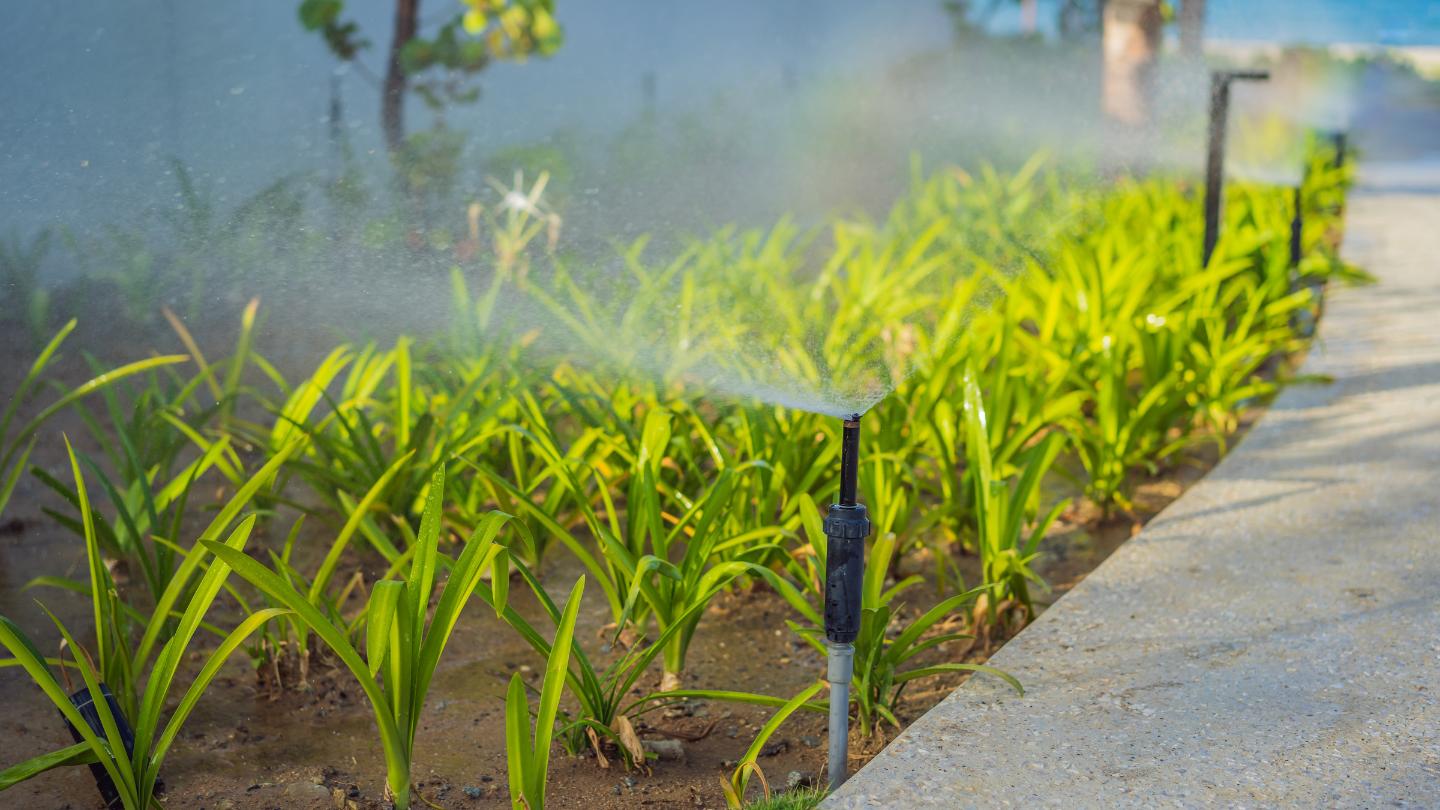
Keeping your sprinkler system in good shape comes down to catching issues early and knowing what to look for. Problems like leaks, clogs, and uneven watering can quickly impact the health of your lawn. For Gig Harbor homeowners, staying on top of regular checks can help prevent water waste, lawn damage, and ongoing sprinkler system problems.
While some fixes are simple, not every issue is easy to diagnose on your own. If your system is still not working as it should, my landscapers at Garland Landscape can help you identify the cause and fix it properly.
To get started, visit the contact us page and connect with our expert landscapers today!
FAQs About Common Sprinkler Problems
How do you diagnose a sprinkler problem?
Start by turning on your irrigation system and watching how it runs. Look for heads that are not working, weak water flow, dry spots, pooling, or leaks. You should also check for any broken sprinkler heads.
To stay organized, you can use a table like the one below:
Sprinkler Zone | Observations | Potential Issue
|
|---|---|---|
Zone 1 | Head not popping up, no water flow. | Clogged nozzle, broken head, or valve issue. |
Zone 2 | Uneven spray, some dry spots. | Low water pressure, incorrect head spacing. |
Zone 3 | Water is pooling around the sprinkler head. | Leaking sprinkler head, broken pipe. |
What is the most common cause of sprinkler system failure?
Damage is the most common reason a sprinkler system fails, whether it affects the head, pipes, valves, wiring, or controller. Electrical issues in particular can be tricky, so calling a professional can help fix the problem before it gets worse.
What are the symptoms of a bad sprinkler valve?
Signs you may need to replace a sprinkler valve or diaphragm include uneven watering, inconsistent spray, or water pooling in one area. The issue could also be a broken valve, a damaged sprinkler head, a leak, or a controller problem.
Why is my sprinkler system not working properly in certain areas?
If your sprinkler system is not working properly in specific zones, it could be due to low water pressure, clogged nozzles, or a faulty valve. Troubleshooting sprinkler system issues early can help restore proper coverage and prevent dry spots.
How does Gig Harbor’s climate affect sprinkler system performance?
Gig Harbor’s frequent rain and seasonal temperature changes can impact how your system runs. Wet conditions can lead to clogged heads or oversaturation, while summer months may reveal sprinkler system problems such as low pressure or uneven coverage. Regular checks help keep everything running properly.
When should I call a landscape professional for sprinkler system issues?
If your sprinkler system is not working properly after basic checks, it is a good idea to call a landscape professional. Ongoing leaks, low water pressure, or multiple zones failing often indicate deeper issues that require proper diagnosis and repair.

As the owner of Garland Landscape, Chris brings over 19 years of experience in landscaping and hardscaping to every project.